
Best Pink Pickleball Paddle: Buying Guide & Budget Picks
The Day I Chose a Pink Pickleball Paddle
The first time I picked up a pink pickleball paddle, I almost put it back.
Not because it didn’t look great. It did. Clean finish. Solid weight. Confident feel. But I wondered whether people would take it seriously.
Ten minutes into open play, that doubt disappeared. The paddle felt balanced at the net. My drops landed softer. My drives stayed controlled. And three players asked where I got it.
That’s when I realized something important. Color doesn’t define performance. Construction does. And if a pink pickleball paddle meets the same standards as any top-tier model, there’s no reason not to play with one you actually love.
Let me walk you through what truly matters — backed by manufacturer specifications and equipment standards from USA Pickleball.
Why Paddle Color and Style Matter More Than You Think
Pickleball has grown fast. With that growth came personalization.
Major brands like JOOLA, HEAD, and Paddletek now release performance models in bold colorways, including pink and ruby tones.

Here’s what I’ve observed:
Players want identity on the court.
Aesthetic choices build confidence.
Brands respond to demand, not novelty.
A pink finish doesn’t change spin rate or sweet spot size. But when you connect with your gear, you swing freer. That matters.
Paddle Types and What to Look For
When choosing a pink pickleball paddle, I ignore color first and examine construction.
Shape: Standard vs. Elongated Pickleball Paddles
Elongated pickleball paddles offer extended reach and typically generate slightly more leverage on drives. Singles players often prefer them.
Standard shapes provide:
Wider sweet spots
Easier control at the kitchen
Faster hand battles
Always check total dimensions. USA Pickleball limits the combined paddle length and width to 24 inches.
Core and Face Materials
Most modern paddles use polymer honeycomb cores with fiberglass or carbon fiber faces.
You might see specialty finishes like a ruby pickleball paddle design or a tropical-style honolulu pickleball paddle, but the underlying build should still meet approved material standards.
Grip Matters More Than Most People Realize
Comfort starts with pickleball paddle grips.
Grip circumference usually ranges between 4 inches and 4.5 inches. A smaller grip allows wrist action for spin. A larger grip reduces strain.
If sizing feels close, I recommend starting smaller and adding an overgrip.
Custom Options
Many players now choose custom pickleball paddles for team branding or personal style. Just confirm they maintain USA Pickleball approval if you plan to compete.
Why Are Pickleball Paddles So Expensive?
I hear this constantly.
High-end paddles cost more because manufacturers use:
Carbon fiber layering
Thermoformed construction
Edge foam reinforcement
Precision weight balancing
Research, development, and materials drive price.
The most expensive pickleball paddle models often exceed $200. These typically target advanced players who prioritize spin and power control.
But here’s the honest truth:
You don’t need the most expensive paddle to improve.
What Are the Top Pickleball Paddles for Under $100?
Fiberglass face paddles
Polymer core builds
USA Pickleball-approved options
These serve beginners and recreational players extremely well. Price should match your experience level, not ego.
Durability: How Long Do Pickleball Paddles Last?
Let’s answer this directly.
How long does a pickleball paddle last?
For regular players, expect 1–3 years before noticeable performance decline.
Do pickleball paddles wear out?
Yes. Surface texture fades. The core compresses. The sweet spot softens.
If you play multiple times per week, you’ll notice changes sooner.
Are Wood Pickleball Paddles Good?
Wood paddles remain common in schools and community centers. They are durable and affordable.
But if you’re asking, are wooden pickleball paddles good for competitive play — not really. They’re heavier and less responsive.
Composite paddles outperform wood in control, spin, and comfort.
What Is a Good Pickleball Paddle for Beginners?
I always suggest three things for new players:
Midweight range between 7.5–8.3 oz
Standard shape for a forgiving sweet spot
Comfortable grip size
That combination builds confidence quickly.
If your pink pickleball paddle fits those criteria, you’re starting strong.

Two small upgrades go a long way.
Pickleball Paddle Cover
A pickleball paddle cover protects the face texture and edges inside your bag. Grit wears down faster when unprotected.
Grip Upgrades
Replacing factory grips or adding overgrips improves moisture control and comfort.
Small investments extend lifespan.
Common Misconceptions About Pink Paddles
Let’s clear up a few myths.
Myth 1: Pink paddles are beginner paddles.
False. Many performance models now offer pink versions.
Myth 2: Expensive equals better for everyone.
Not true. Skill level and playing style matter more.
Myth 3: Wooden paddles are outdated.
They still serve beginners and schools well.
Myth 4: Do pickleball paddles matter?
Absolutely. Weight distribution, surface material, and grip influence control and comfort.
When NOT to Cheap Out
I’ve learned this the hard way.
If you notice:
Dead spots on contact
Surface grit wearing smooth
Cracks near the edge guard
Persistent vibration
It’s time to upgrade.
Also, if you’ve improved technically and feel limited by control or spin, investing in a better paddle makes sense.
Don’t overspend early. But don’t hold yourself back with worn gear.
I Know How Confusing This Can Be
I’ve stood in front of a wall of paddles wondering where to start.
Pink. Carbon fiber. Elongated. Lightweight.
It’s overwhelming.
Start with fit and feel. Choose a pink pickleball paddle that matches your grip size and weight preference. Play consistently. Let experience guide your next decision.
That approach beats chasing hype every time.

Return rates often come down to retailer policies, warranty coverage, and what buyers realistically expect from the product. Before purchasing a pink pickleball paddle, review verified customer feedback and read the warranty terms carefully — clear return windows and solid manufacturer support make a big difference if the paddle doesn't match your playing style.
There isn't a single universal best pink pickleball paddle. The right choice depends on your skill level, how much control or power you need, and your preferred weight balance. Beginners often benefit from lighter paddles for faster hand speed, while experienced players may prioritize spin, touch, or stability at the kitchen line.
Top-rated pink pickleball paddle options often come from trusted brands like JOOLA, HEAD, and Paddletek. Many of their best-performing models are officially approved by USA Pickleball, meaning they meet regulated size, surface, and construction standards for tournament play.
Most composite pink pickleball paddle models last between one and three years with regular play. Lifespan depends on how often you play, how hard you hit, and the core material — frequent outdoor play on rough courts wears down the face texture faster, especially with heavy spin use.
A pink pickleball paddle can work very well for recreational players, especially if the focus is comfort, balance, and consistent control rather than tournament-level spin. Check whether the core is polymer or Nomex, review the surface type, and confirm USA Pickleball approval if you plan to play competitively.
Advanced materials, tighter engineering tolerances, and more precise manufacturing all push the price up. Carbon fiber faces, high-grade polymer cores, and thermoformed construction pay for consistency, durability, and better energy transfer — not just branding or color.
A pink pickleball paddle is perfectly fine for beginners and casual play, where comfort, weight balance, and basic control matter far more than advanced spin technology or tournament specs. You can always upgrade as your game becomes more competitive.
Yes — over time, a pickleball paddle loses some of its original performance because both the surface texture and core integrity gradually break down. Diminished spin, uneven rebound, or a muted feel on contact are signs the materials are wearing down.
A midweight pink pickleball paddle with a comfortable grip and a standard shape offers a balanced feel that suits a wide range of players, blending maneuverability with solid control.
Yes. Surface texture affects how much spin you can generate, core density and face material impact power and ball response, weight distribution changes how quickly you react at the kitchen line, and grip size and cushioning affect comfort over longer matches.
Entry-level composite pink pickleball paddle models from reputable brands often perform very well. They may not offer elite-level spin or advanced carbon construction, but they typically deliver solid durability, consistent control, and reliable performance for recreational play.
More from UptoFeed
UptoFeed.com — Home
Browse all our latest guides and reviews.
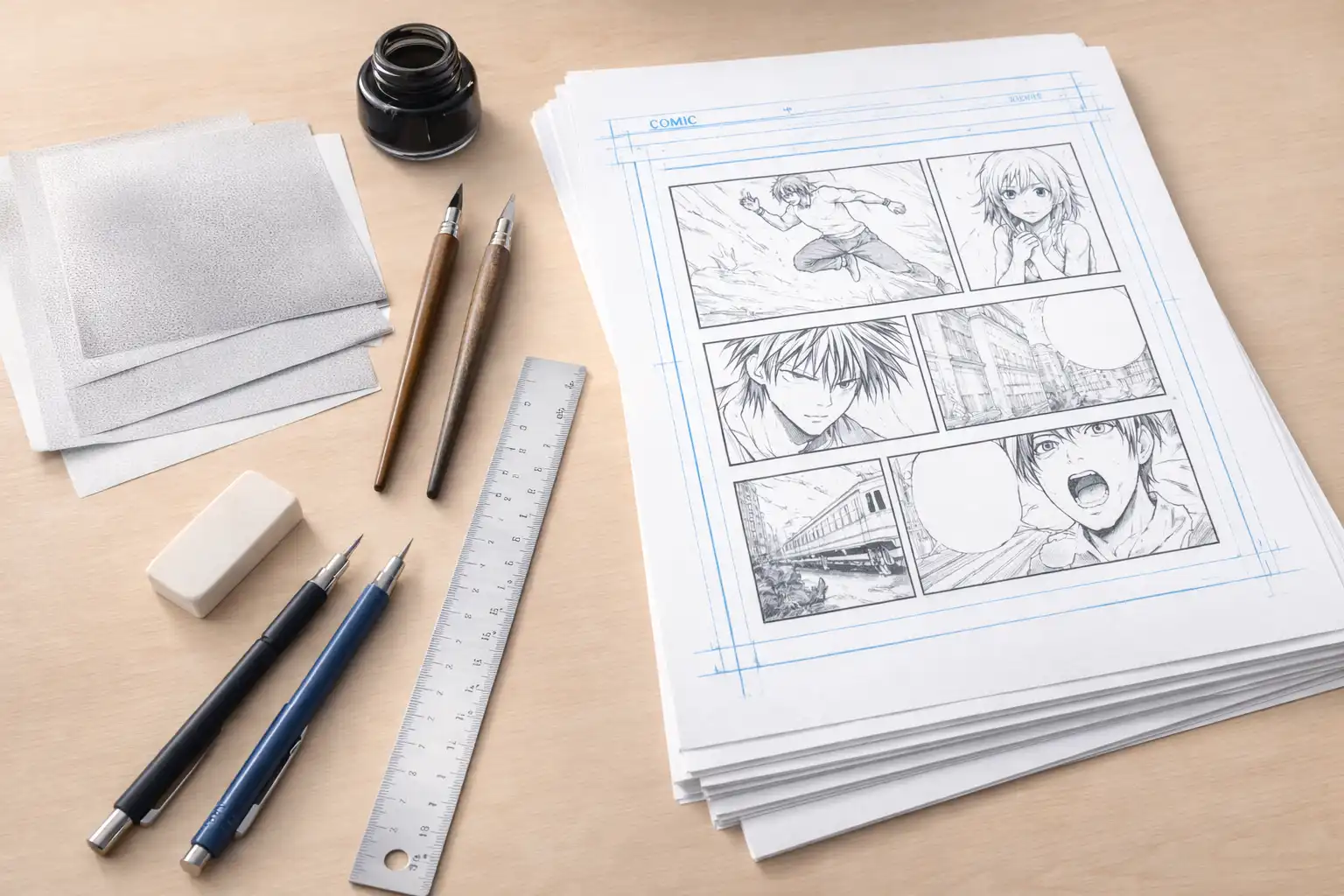
Manga Paper: The Complete Artist’s Guide
Choosing the right paper, weight, and manuscript basics for manga art.

Submit Your Review
If you play with a pink pickleball paddle, I’d genuinely love to hear about your experience.
What made you choose that specific pink pickleball paddle over other designs?
How does it feel at the kitchen line during quick exchanges?
Do you notice better control, spin, or confidence with it?
Would you recommend it to other players looking for both performance and style?
Real feedback from players who actually use a pink pickleball paddle helps others make smarter, more confident buying decisions.
How This Article Was Created
This guide is built on:
Manufacturer specifications from JOOLA, HEAD, and Paddletek
Official equipment standards from USA Pickleball
Verified retailer feedback
Practical paddle construction and on-court evaluation principles
I avoided hype, inflated claims, and unverified numbers. Every recommendation reflects real build quality standards and practical court performance, so you get guidance you can actually trust.

Ahesanur Asun is the Founder and Editor of UptoFeed, where he publishes updates on
AI news, artificial intelligence tools, and emerging technology. He focuses on explaining complex AI developments in a clear and practical way so readers can quickly understand and use the latest innovations.